
Qi During Winter
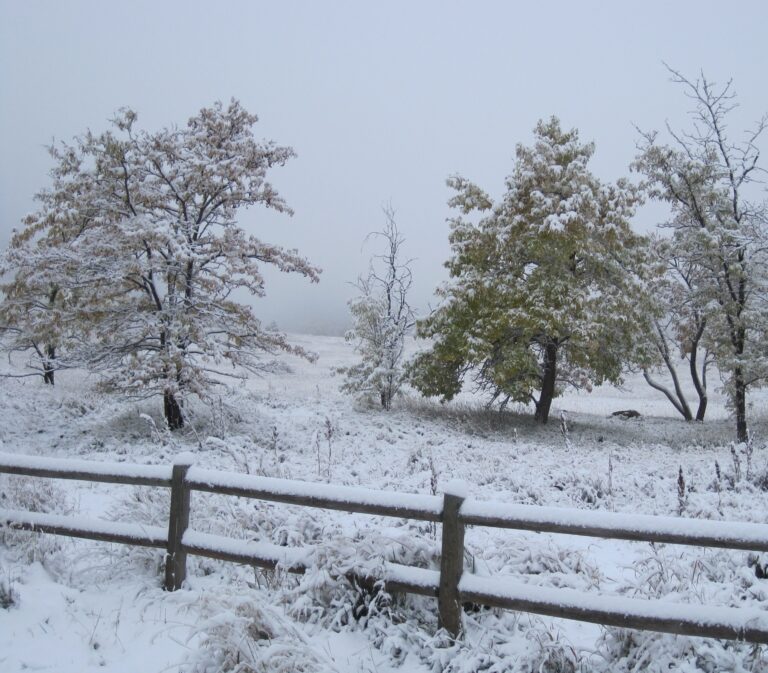
Winter is the most important season to mindfully conserve qi. Understanding qi during winter allows us to better respond and adapt to changing conditions by becoming more aware of the seasonal shifts around us. To best care for ourselves during winter, it is essential to align with the principles of nature that emphasize rest and nourishment during the cold, short days.
The Dance of Yin and Yang
The winter solstice marks the peak of yin qi, representing the longest night of the year. Simultaneously, yang qi reaches its lowest point before gradually increasing. As nature enters a period of hibernation, our yang qi also hibernates, reminding us of the importance of honoring qi during winter through rest and conservation.
Yin and yang are not static, they are dynamic and complementary. Their interconnected energies are in constant flux, relying on each other to create balance. By aligning our lives with this ever-evolving balancing act, we can gain insight into yin-yang theory, making it easier to live with the seasons.
The moon is often used as the symbol for yin, the sun for yang. Yin embodies the qualities of the cool and shady, like the north side of a slope, whereas yang represents warmth and brightness, like a south-facing slope. By cultivating and conserving yin and yang qi we strengthen our immune system and recover more quickly from illness. This also prepares us for a vibrant new life that comes forth in springtime.
Nourish Yourself
Here are some ways to take care of your qi during winter:
Sleep: Go to bed earlier and rise later, ideally with the sun. This allows our internal rhythms to sync with nature and promotes the storage of yang qi to nourish our vitality.
Warmth: Keep your head, neck, low back, knees, ankles, and feet warm with cozy hats, scarves, and thick socks. Protecting these areas, especially the kidneys with wide belts or vests, is essential for conserving vital energy.
Seasonal Foods: Cooked foods are more nourishing than raw vegetables or salads during winter. Enjoy warm or hot liquids—avoid iced drinks! Consume locally grown, seasonal vegetables to sustain your energy reserves. Consider adding a bit more sea salt (or equivalent) during winter in moderation to benefit the kidneys.
The Sun: On sunny mornings, spend at least 10 minutes with your back to the sun, warming your spine. This simple practice can uplift emotions, help regulate sleep and restore vitality.
Inner Practices: Focus on inner stillness, reflection, and renewal in your qigong practices. Engage in meditation, breathing exercises, and gentle movements.
Self-Reflection and Creativity
Winter offers us an auspicious opportunity for self-reflection. Embrace the insights gained during this season, contemplating the dance of yin and yang, dark and light. The seeds of creativity you plant inwardly now will be ready for transformation in the months ahead. Welcome this season with grace, and trust in the cyclical nature of growth, renewal, and the quiet wisdom of qi during winter.